%20(3).png)


![TFD [LOGO] (10).png](https://static.wixstatic.com/media/bea252_c1775b2fb69c4411abe5f0d27e15b130~mv2.png/v1/crop/x_150,y_143,w_1221,h_1193/fill/w_179,h_176,al_c,q_85,usm_0.66_1.00_0.01,enc_avif,quality_auto/TFD%20%5BLOGO%5D%20(10).png)
Cebu as Compass: Where Hospitality Meets History at ASEAN’s Turning Point

Cebu is not merely preparing to host a summit—it is preparing to host a moment.


Governor Pamela Baricuatro has called on Cebuanos to do what they have always done best: welcome, guide, and care.
Beneath that call for smiles and spotless streets lies something deeper—an invitation for ordinary citizens to become quiet diplomats, custodians of a national narrative unfolding before the region.

“Offer guidance. Extend assistance. Do it with warmth,” she urged—repeating, almost like a mantra: assist, and assist again.
What arrives on May 7 and 8 is not just a delegation of leaders. It is a test of presence.
Hosting an ASEAN summit for the second time, Cebu once again finds itself at the crossroads of geography and destiny. From its historic streets to the waters of Bantayan, the island will frame conversations affecting more than 700 million people.

ASEAN today stands as the world’s fifth-largest economic bloc—a diverse region bound not by sameness, but by shared stakes.
At this critical juncture, the Philippines does not merely chair—it helps steer.
The summit theme, “Navigating Our Future, Together,” echoes the Balangay—a vessel that once crossed uncertain seas, carrying trade, culture, and early expressions of Filipino enterprise.

The message is clear: ASEAN is not drifting. It is voyaging. But the waters are far from calm.
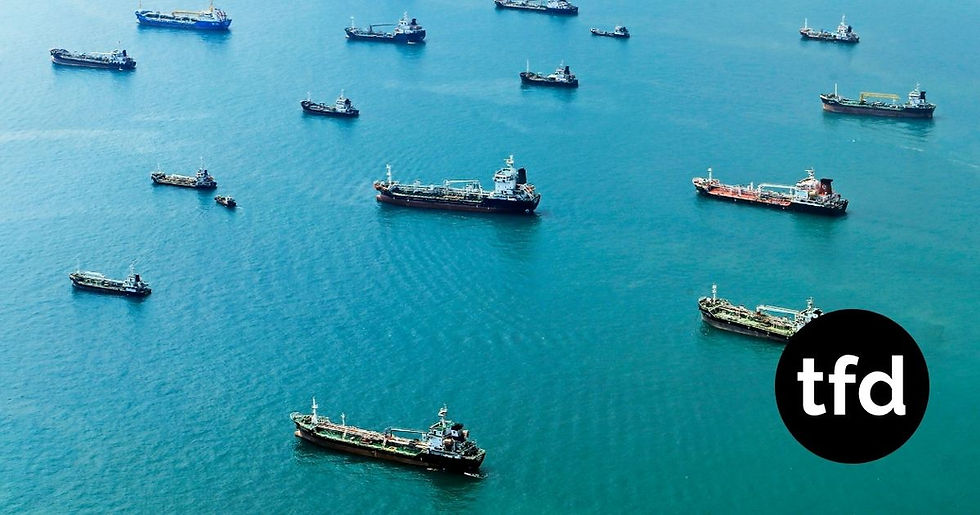
The ongoing tensions involving Iran have exposed the fragility of global supply chains. Disruptions along the Strait of Hormuz—through which roughly a fifth of the world’s oil passes—have sent shockwaves through energy markets.
Prices have surged, logistics tightened, and inflation has filtered into households, transport, and industries across Southeast Asia.

In this environment, energy is no longer just a sector—it is strategy.
President Ferdinand Marcos Jr. has emphasized the urgency of fully operationalizing the ASEAN Petroleum Security Agreement (APSA), positioning it as a mechanism for coordination and resilience during supply disruptions.
“It matters more now than at any point since its adoption,” the President said.

The Cebu summit, therefore, becomes more than ceremonial—it becomes consequential.
It brings together three core aspirations: peace and security, prosperity, and people empowerment. These are not abstract ideals but real pressure points, tested by geopolitical tension, volatile markets, and the daily realities faced by citizens.
This is why Governor Baricuatro’s call—simple and grounded—resonates. Keep the streets clean. Be patient. Extend kindness.

On the surface, these are logistical reminders. At a deeper level, they are acts of alignment.
Because diplomacy does not exist solely in conference halls. It unfolds in everyday interactions—between delegate and driver, visitor and vendor, leader and local.
Cebu, then, is not just a venue. It is a signal.
A signal that the Philippines understands its role not only as chair, but as convener. Not only as host, but as storyteller of a region seeking coherence in a fragmented world.

As delegates arrive and discussions begin, one truth quietly emerges: the success of ASEAN will not be measured solely by agreements signed. It will be measured by whether a region of many currents can move, even briefly, as one tide.
And in Cebu, for two days in May, that tide begins with a smile.
__
ABOUT AUTHOR