%20(3).png)


![TFD [LOGO] (10).png](https://static.wixstatic.com/media/bea252_c1775b2fb69c4411abe5f0d27e15b130~mv2.png/v1/crop/x_150,y_143,w_1221,h_1193/fill/w_179,h_176,al_c,q_85,usm_0.66_1.00_0.01,enc_avif,quality_auto/TFD%20%5BLOGO%5D%20(10).png)
PH-Made EVs in Focus Amid Fuel Price Hikes
- By The Financial District

- Mar 29
- 3 min read
Philippine-made electric vehicles (EVs)—notably electric ferries, e-trikes, e-jeepneys, and hybrid electric trains—are being put in the spotlight amid rising fuel prices driven by the ongoing Middle East conflict.


These homegrown EV technologies offer practical and sustainable relief for Filipino commuters, public transport drivers and operators, and even private motorists grappling with the high cost of daily travel, according to the Department of Science and Technology (DOST).
The department, through the Philippine Council for Industry, Energy, and Emerging Technology Research and Development (PCIEERD), is urging wider adoption of these Filipino EV innovations, positioning e-mobility as an accessible and practical alternative to fossil fuel-based transport.

“We made smart, long-term investments in Filipino e-mobility research. With the continuing rise in global fuel prices, these technologies offer a real, practical way for Filipinos to save on costs while contributing to cleaner communities,” said DOST Secretary Dr. Renato U. Solidum Jr.
Emphasizing the urgency of adopting sustainable transport technologies, the DOST is presenting the following proudly Filipino EV innovations:
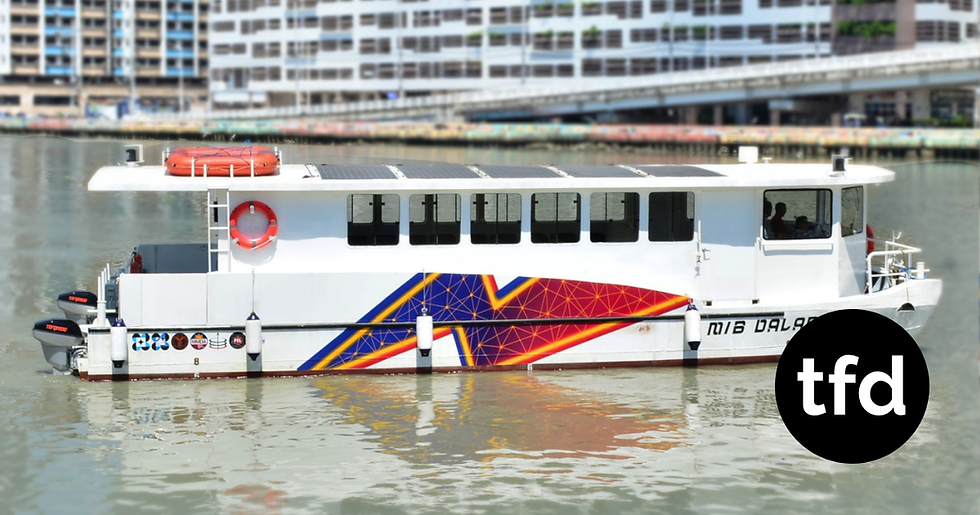
The MB Dalaray Electric Ferry, powered by an electric propulsion system, is designed for short-distance routes and community-based transport.

It reduces operating costs, minimizes noise and emissions, and supports regular movement across local waterways.
The ferry currently serves the Pasig River, particularly between Guadalupe Station and Escolta Station.
E-trikes, already deployed in Cauayan City, Tuguegarao, Batanes, Iloilo, and Metro Manila, offer low-cost performance and maintenance for drivers and operators. The C-Trike, or converted electric tricycle, consumes just 4.5 kWh for 56.4 kilometers, delivering highly efficient mileage.

The E-jeepney, a 23-seater electric vehicle, is designed to replace aging jeepney fleets with low-carbon alternatives.
The Hybrid Electric Train (HET), a 20-meter-per-coach pilot trainset developed with the Philippine National Railways (PNR), supports rail modernization and reduces dependence on diesel.
Also highlighted by the DOST and PCIEERD is the CharM (Charging in Minutes) system, a locally engineered fast-charging solution that enables electric vehicles—particularly e-trikes and community transport units—to recharge in about 30 minutes, significantly faster than conventional methods.

Developed by researchers from the University of the Philippines Diliman with support from DOST-PCIEERD, CharM addresses one of the biggest barriers to EV adoption: long charging times. Its availability provides transport cooperatives, local government units (LGUs), and fleet operators with a reliable pathway to cleaner mobility.
CharM charging stations have already been deployed in key locations across Metro Manila, including Quezon City (Quezon City Hall Compound, UP Diliman, and facilities in Barangay Payatas), Megaworld sites such as Eastwood Mall, Arcovia City, Uptown Mall BGC, and Venice Grand Canal Mall in McKinley Hill, as well as Lucky Chinatown Mall in Binondo, East Bank Road in Pasig City, Barangay Ayala Alabang in Muntinlupa City, and select areas in Pasay City.

Outside Metro Manila, stations are operational in Antipolo City, Trece Martires City in Cavite, Cauayan City, Tuguegarao City, and Dapitan City.
“These are real, working technologies tested on the ground and developed by Filipino engineers. As fuel prices continue to fluctuate, our e-mobility solutions give Filipinos a more stable, sustainable, and homegrown option,” said DOST-PCIEERD Deputy Executive Director Engr. Niñaliza H. Escorial.

She added that the continued expansion of e-mobility research aligns with the agency’s commitment to sustainability, wealth creation, and human well-being, supporting national goals for a cleaner and more efficient transport system.


