


Single Psilocybin Dose Eases Depression Symptoms Within Two Days, Study Finds

A single dose of psilocybin, the psychedelic compound found in certain mushrooms, produced rapid improvements in depression symptoms in a small Swedish clinical trial.
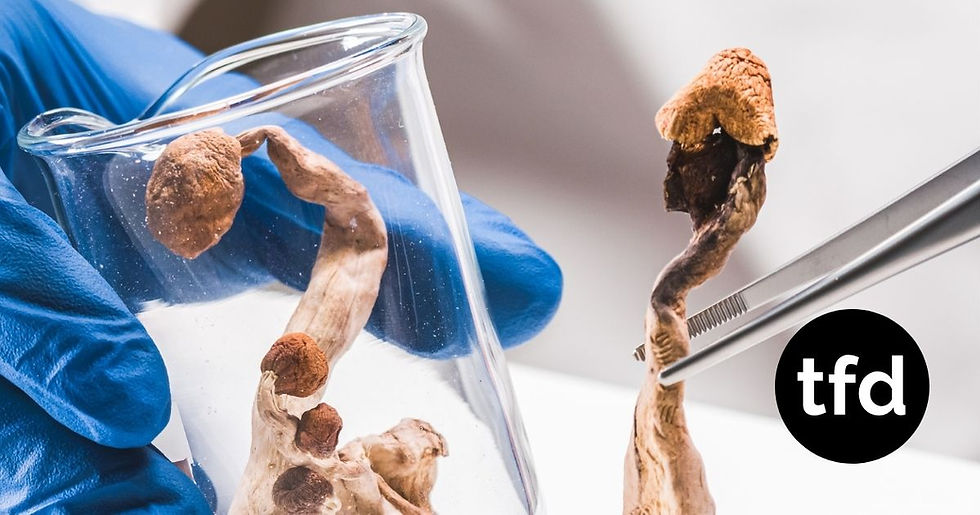


After six weeks, 53% of participants who received psilocybin were in remission, compared with just 6% of those given an active placebo, according to research conducted by Karolinska Institutet and published in JAMA Network Open.
Some participants reported improvements within two days, while self-reported assessments indicated that the antidepressant effects persisted for more than three months.

The findings come from Sweden's first randomized, double-blind clinical trial of psilocybin for depression, conducted by researchers at Karolinska Institutet in collaboration with Northern Stockholm Psychiatry.
Selective serotonin reuptake inhibitors (SSRIs) are among the most widely prescribed treatments for depression.
However, they can take several weeks to work, cause unwanted side effects, and provide insufficient relief for some patients.

Previous research has suggested that psilocybin may act more quickly, although much of that work has focused on treatment-resistant depression or depression associated with cancer.
The new phase 2 trial investigated whether psilocybin could also help people with more common forms of recurrent depression.
Researchers enrolled 35 adults between the ages of 20 and 65 who had moderate to severe symptoms of recurrent major depressive disorder.

Participants were randomly assigned to receive either a single 25-milligram dose of psilocybin or 100 milligrams of niacin, an active placebo used because it produces noticeable physical sensations.
Both groups received psychotherapeutic support through five sessions conducted before, during, and after treatment.

During the dosing session, participants wore eye masks, listened to music through headphones, and were encouraged to direct their attention inward while receiving professional supervision and support.
Researchers measured depression severity using the Montgomery–Åsberg Depression Rating Scale (MADRS), with assessments conducted by clinicians who did not know which treatment each participant had received.

Eight days after treatment, depression scores had fallen by an average of 9.7 points in the psilocybin group, compared with 2.4 points in the placebo group. The estimated difference between the groups was approximately 7.3 points, which was statistically significant and considered clinically meaningful.
The advantage remained evident in assessments conducted 15 and 42 days after treatment.

After six weeks, 9 of the 17 participants in the psilocybin group, or approximately 53%, were in remission, compared with 1 of the 17 participants in the niacin group, or approximately 6%.
Participants also completed self-reported assessments, which indicated improvements as early as the second day after treatment.
These reported benefits persisted for slightly more than three months compared with the placebo group.

"Our results suggest that psilocybin can provide rapid, clinically meaningful improvement in depression and may serve as an alternative to standard treatment when fast symptom reduction is important," said lead author Hampus Yngwe, a consultant psychiatrist and PhD student at Karolinska Institutet's Department of Clinical Neuroscience.

However, the researchers cautioned that the study had important limitations.
Almost all participants were able to guess which treatment they had received, potentially influencing their expectations and reported outcomes.
The researchers also noted that the findings require confirmation through larger clinical trials before psilocybin can be considered an established treatment option for depression.


