


U.S. History Offers Examples of Government Seizures of Private Companies During National Emergencies

The United States has a history of government intervention in privately owned businesses during national emergencies, including wartime federal control of certain transportation and communications systems and the seizure of specific companies.


These precedents are relevant to current debates about whether strategically important businesses such as SpaceX should face greater government control, Thom Hartmann argued in a recent commentary for The Hartmann Report.
During World War I, President Woodrow Wilson placed the nation's major railroads under federal control through the United States Railroad Administration.
The government also temporarily took control of telephone and telegraph systems during the war.

These measures were intended to coordinate essential services during the national emergency, and the systems were subsequently returned to private operation.
The historical record is more complicated than a broad claim that Wilson nationalized all major communications and radio companies. Federal wartime control applied to specific systems and periods, and the details differ by industry.
During World War II, President Franklin D. Roosevelt's administration also used federal seizure powers in particular labor disputes and production emergencies.

One prominent example was Montgomery Ward, whose properties were seized after the company resisted orders from the National War Labor Board. The company was later returned to private control.
These actions did not amount to a wholesale nationalization of all the industries listed in Hartmann's commentary.
The government regulated many wartime industries, directed production and entered into extensive procurement agreements, but regulation and government contracts are not the same as government ownership.

President Harry Truman's 1952 seizure of the nation's steel mills is another important example of the limits of executive power.
During the Korean War, Truman ordered the federal government to take control of steel facilities in an attempt to prevent a strike from disrupting production.
The steel companies challenged the action, and the US Supreme Court ruled against the administration in Youngstown Sheet & Tube Co. v. Sawyer. The decision held that Truman lacked the legal authority to seize the mills under the circumstances.
The episode therefore illustrates not simply that presidents can nationalize companies, but that presidential seizure powers are constrained by the Constitution and federal law.

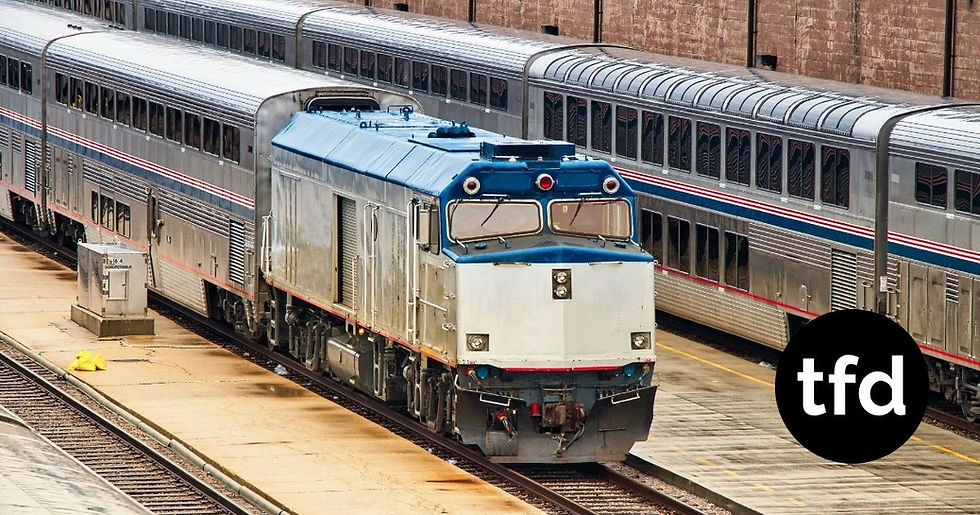
Government intervention has also shaped the US passenger rail system.
Amtrak was created by Congress in 1970 and began operating in 1971, following the financial decline of private passenger rail service. It was not created through a simple presidential nationalization of 20 railroads.
These historical cases provide context for contemporary proposals to place strategically important companies under public ownership.

However, whether the government could acquire or take control of a company such as SpaceX would depend on the legal authority invoked, congressional action, compensation requirements and the specific circumstances.


