%20(3).png)


![TFD [LOGO] (10).png](https://static.wixstatic.com/media/bea252_c1775b2fb69c4411abe5f0d27e15b130~mv2.png/v1/crop/x_150,y_143,w_1221,h_1193/fill/w_179,h_176,al_c,q_85,usm_0.66_1.00_0.01,enc_avif,quality_auto/TFD%20%5BLOGO%5D%20(10).png)
U.S. Federal Judge Blasts Walgreens For Worsening Of Opioid Crisis
- By The Financial District

- Aug 11, 2022
- 2 min read
A federal judge ruled Wednesday, August 10, 2022, that Walgreens can be held responsible for contributing to San Francisco’s opioid crisis for over-dispensing highly addictive drugs for years without proper oversight and failing to identify and report suspicious orders as required by law, Juliet Williams reported for the Associated Press (AP).
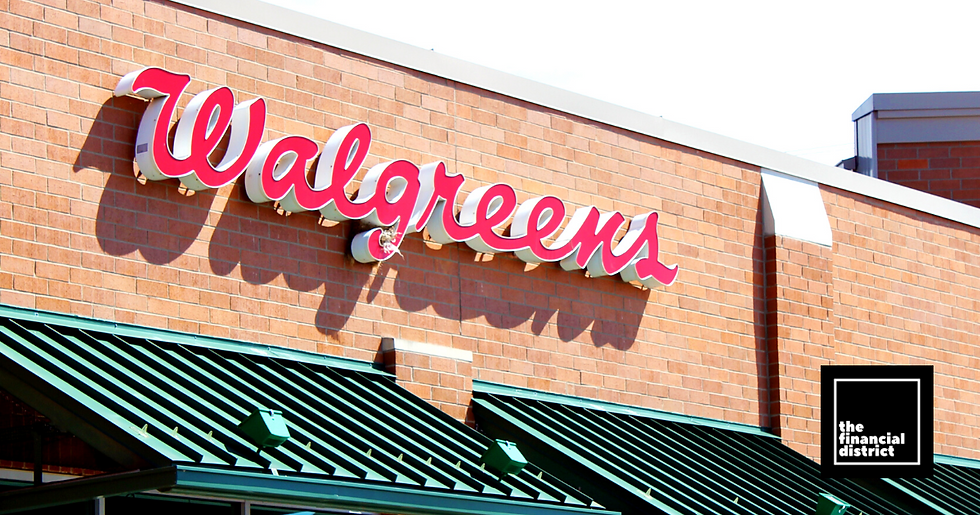
Photo Insert: The judge said that the large volume of illegitimate opioid prescriptions contributed to the city’s hospitals being overwhelmed with opioid patients, libraries being forced to close because of syringe-clogged toilets, and syringes littering children’s playgrounds in San Francisco.


San Francisco City Attorney David Chiu said the pharmacy chain “continually violated what they were required to do under the federal Controlled Substances Act,” failing to track opioid prescriptions, preventing pharmacists from vetting prescriptions and “nor did they see the many red flags of physicians and others who were dramatically over-prescribing.”
He added: “Pharmacists were pressured to fill, fill, fill, and as a result, Walgreens filled our streets with opioids.”

US District Judge Charles Breyer wrote in his decision that from 2006 to 2020, “Walgreens pharmacies in San Francisco dispensed hundreds of thousands of red flag opioid prescriptions without performing adequate due diligence. Tens of thousands of these prescriptions were written by doctors with suspect prescribing patterns. The evidence showed that Walgreens did not provide its pharmacists with sufficient time, staffing, or resources to perform due diligence on these prescriptions.”

He said the large volume of illegitimate opioid prescriptions contributed to the city’s hospitals being overwhelmed with opioid patients, libraries being forced to close because of syringe-clogged toilets, and syringes littering children’s playgrounds in San Francisco.
A Walgreens spokesman said the chain is disappointed in the outcome, which he said is not supported by the facts and the law.

“As we have said throughout this process, we never manufactured or marketed opioids, nor did we distribute them to the ‘pill mills’ and internet pharmacies that fueled this crisis,” spokesman Fraser Engerman said in a statement.
“The plaintiff’s attempt to resolve the opioid crisis with an unprecedented expansion of public nuisance law is misguided and unsustainable. We look forward to the opportunity to address these issues on appeal.”